
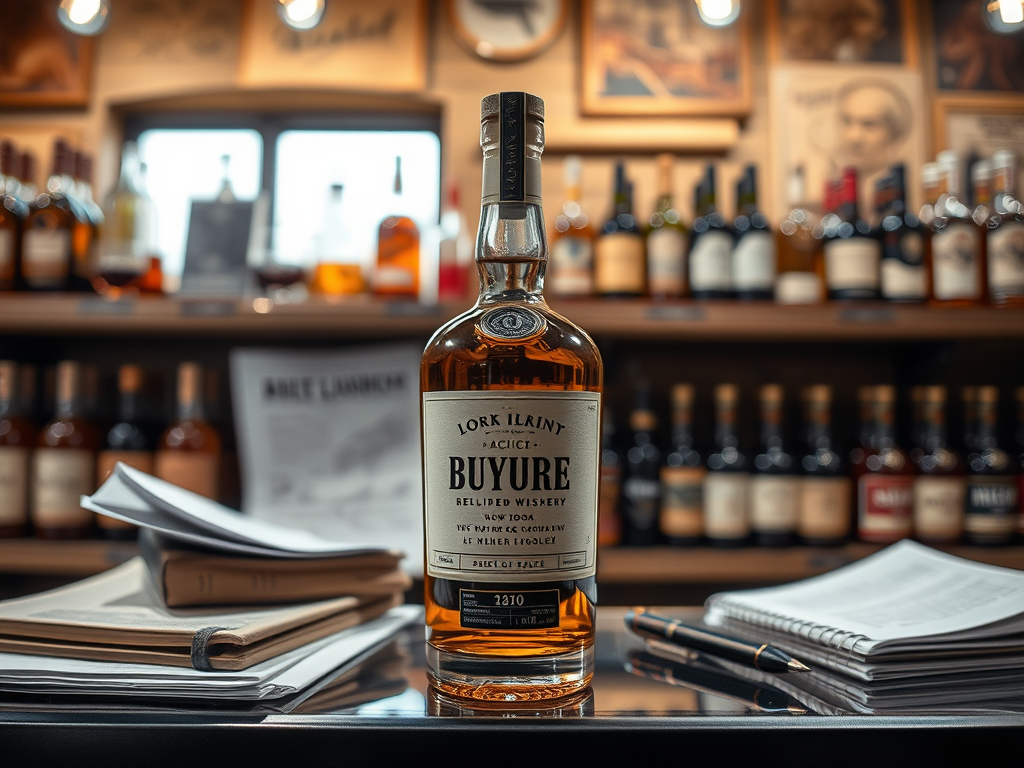
From Craft to Shelf: The Complete Journey of Spirit Brand Development
Starting a new spirit brand sounds exciting until you realize what’s actually involved. Most people think it’s about perfecting a recipe and slapping a nice label on a bottle, but that’s maybe 20% of the whole process. The real journey from concept to retail shelf is a maze of paperwork, regulations, timing issues, and costs that keep adding up in ways nobody warns you about.
Walk into any liquor store and those bottles on the shelves represent months or years of work behind each one. There’s the obvious stuff – making the spirit taste good – but then there’s this whole other world of federal approvals, state licenses, distribution negotiations, and packaging decisions that can make or break everything. Most promising brands die somewhere in this process, not because the product wasn’t good enough, but because people ran out of time, money, or patience.
The timeline alone catches everyone off guard. What seems like it should take six months usually stretches to 18-24 months if you’re lucky.
Getting Started: Recipe Plus Legal Headaches
Smart people start the legal paperwork at the same time they’re working on their recipe. Here’s why – federal and state licensing can take anywhere from 6-12 months. Wait until your recipe is perfect and you’ve just wasted a year.
The TTB (Alcohol and Tobacco Tax and Trade Bureau) wants to know everything about your operation before they’ll approve anything. They want facility details, financial records, production methods, the whole nine yards. State requirements are all over the place – some states process applications in a few weeks, others take forever. This is usually where people get their first reality check about how long this actually takes.
Meanwhile, you’re still tweaking your recipe, but here’s the thing – whatever formula you submit has to be documented exactly. Change something later and you’re back to square one with new approvals. So you better get it right the first time.
The costs start piling up before you’ve made a drop of anything. Licensing fees, lawyers, facility prep, equipment deposits. You can easily hit six figures before your first batch, which is a shock for people who thought the biggest expense would be the stills.
Design Phase: Making Pretty Labels That Pass Legal
Once you’ve got the legal foundation sorted out, you can start thinking about how this thing will actually look. But even here, it’s not just about making something pretty. Every single element on your packaging has to comply with federal regulations while somehow standing out in stores packed with hundreds of other bottles.
Bottle shape, cap style, the whole packaging strategy gets decided here. But the label usually becomes the biggest headache. Getting help from experienced spirit bottle labels suppliers makes this part way less painful because they know what works and what doesn’t.
Federal law dictates what has to be on every label – alcohol content, net contents, health warnings, all that fun stuff. The trick is fitting these required elements into something that doesn’t look like a government form. Premium spirits need that shelf presence to justify higher prices, so you’re often talking specialty printing, foil stamping, embossed elements that cost extra and complicate the whole process.
Color choices matter more than you’d think. Typography has to work with mandatory text requirements. Even the imagery gets regulated – you can’t just put anything on there.
This whole phase typically eats up 3-6 months if you don’t hit any snags. But snags happen.
The TTB Approval Nightmare
TTB approval is where a lot of projects come to die. Applications need perfect label artwork, exact formula details, production methods. Make one small mistake and they reject the whole thing, sending you back to start over.
The review process is supposed to take 45-90 days for straightforward stuff, but that’s when everything’s perfect and they’re not backed up. Complex products or unusual claims take longer. Right before holidays, forget it – wait times go through the roof.
Then you’ve got state approvals on top of federal ones. Some states just accept TTB approval automatically. Others want their own separate applications with their own fees and wait times. Each state where you want to sell adds another layer.
If you’re thinking about expanding internationally later, you better start trademark work now. Changing your brand name after you’ve built some market presence is brutal and expensive.
Actually Making the Stuff
Getting approvals feels like the hard part until you try scaling up production. Test batches in small quantities often don’t translate smoothly to commercial production. Things go wrong that nobody anticipated.
Quality control becomes everything because if your production deviates too much from what you told TTB, you need new approvals. Consistency in proof, color, flavor – it all has to match batch to batch. That requires testing equipment and documentation systems that small operations usually underestimate.
Production timing gets tricky when you factor in aging, filtration, finishing steps. Many first-time distillers think once the spirit comes off the still, bottling happens next week. Reality check – filtration alone can take weeks depending on your process.
Then there’s coordinating everything – bottle deliveries, label printing, production schedules. Get any piece out of sync and you’re either paying storage fees or rush charges to fix the timing.
Getting to Market: The Distribution Reality
Making great spirits is one thing. Getting them in stores is something else entirely. The three-tier system means you need distributors, and distributors are picky about taking on new brands. Limited shelf space means you’re competing with established products that already have relationships.
Distribution margins will shock you if you haven’t done the math. Distributors typically take 25-30%, retailers add another 30-50%. That spirit you can make for $10 might retail for $35-40 by the time it reaches consumers. Understanding these economics upfront helps avoid unpleasant surprises later.
Marketing costs always run higher than expected. Trade shows, promotional materials, sampling programs, sales support – it adds up fast and you’re spending all this before you’ve sold much of anything.
What Usually Goes Wrong
Most people underestimate both time and money by huge margins. That 12-month project becomes 18-24 months when regulatory delays hit, production issues crop up, and distribution takes longer than expected.
Cash flow kills more brands than bad products. Revenue doesn’t start until bottles reach shelves, but expenses never stop accumulating. Running out of money before you hit profitability is probably the most common way promising brands die.
Regulatory changes can wreck even well-planned projects. New TTB requirements, state law changes, trade practice modifications – any of these can force expensive redesigns and resubmissions just when you thought you were done.
The whole journey tests patience and bank accounts in equal measure. Success means treating this as a complex business process, not just a creative project. People who understand the complete picture and plan for the inevitable complications have much better odds of actually seeing their products in customers’ hands.